If you are thinking about downsizing in Pinellas County, one question usually rises to the top fast: should you choose a condo or a single-family home? It is a practical decision, but it can also feel personal. You may want less upkeep, lower stress, and a home that fits the way you live now. In this guide, you will learn how condos and single-family homes compare in Pinellas County, what costs and rules to watch for, and how to narrow in on the right fit for your next move. Let’s dive in.
Why Downsizing Matters in Pinellas County
Downsizing is a common conversation in this part of Florida for a reason. In Pinellas County, 27.5% of residents are 65+, and in Pinellas Park that share is 22.5%. That helps explain why lower-maintenance living, aging in place, and easier day-to-day routines matter to so many local buyers and sellers.
Costs matter too. The same Census QuickFacts data shows a median owner-occupied home value of $355,100 in Pinellas County and $278,900 in Pinellas Park. For many downsizers, the choice is not only about the purchase price. It is also about monthly expenses, upkeep, and how much responsibility you want to keep on your plate.
Pinellas County also offers an age-friendly network of services that includes transportation options, meal and transportation programs, independent-living help, and some home repair assistance. That can make it easier to stay in the area while choosing a home that asks less of you physically and financially.
Condo vs. Single-Family Basics
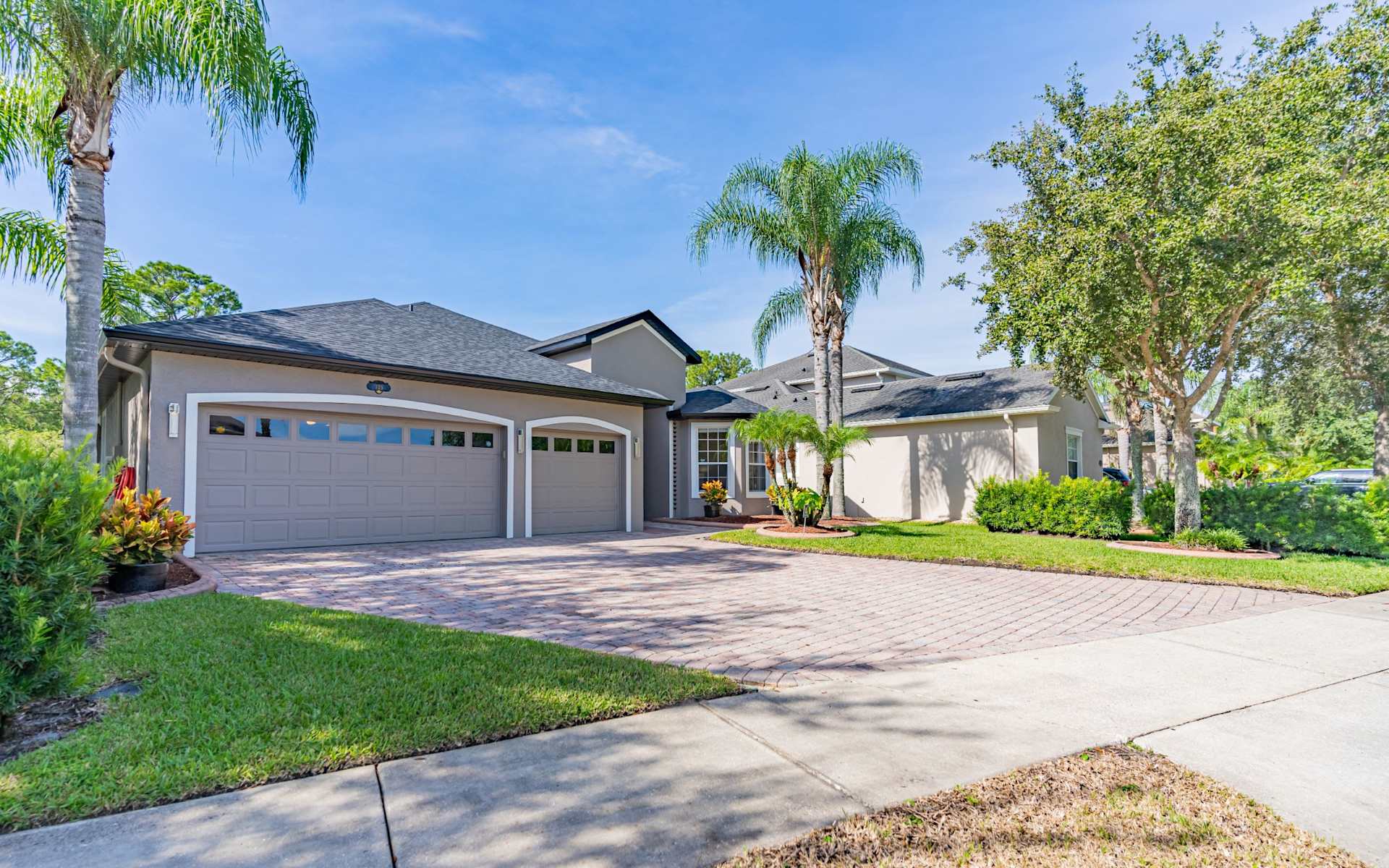
At a high level, the trade-off is simple. Condos usually offer less exterior maintenance and more shared oversight. Single-family homes usually offer more privacy, more control, and more direct responsibility for repairs and upkeep.
That said, the label alone does not tell the whole story. In Pinellas County, the real answer often comes down to the property’s governing documents, monthly costs, reserve planning, and location near the services you use most.
How Condo Ownership Works
In Florida, condo associations collect assessments to cover common expenses tied to operating, maintaining, repairing, replacing, and protecting common elements and association property under Florida Statute 718.115. Those expenses may go well beyond landscaping. Depending on the governing documents, they can also include things like road maintenance, security services, in-house communications, and even transportation services.
That is why condo dues can look high at first glance. In some cases, they are covering costs you would otherwise pay separately as a homeowner. The key is understanding exactly what those dues include and whether the association is planning responsibly for future repairs.
How Single-Family Ownership Works
A single-family home may give you more freedom, but it is not always free of association rules. Under Florida’s HOA Act, a mandatory homeowners’ association can impose assessments, and unpaid amounts may become liens.
That means a detached home can still come with dues, architectural rules, and special assessments. Assessment shares may also vary based on the services provided, as described in Florida Statute 720.308. So if you are comparing two single-family communities, do not assume the fees and restrictions will be similar.
What Condo Buyers Should Watch Closely
Condos can be an excellent downsizing option if you want less hands-on maintenance. But in today’s Florida market, buyers need to look carefully at the association’s financial and building records.
Monthly Dues and Special Assessments
Florida law defines a special assessment as any assessment other than the annual budget assessment under Statute 718.115. In plain terms, that means your regular monthly dues and a separate one-time or additional charge are not the same thing.
When you consider a condo, ask for:
- A breakdown of what the monthly fee covers
- Whether reserves are fully funded
- Whether any special assessments are pending
- Whether there have been recent increases in dues
These questions matter because a lower monthly fee is not always the better deal if a building is underfunded.
Milestone Inspections and Reserve Studies
For condo and co-op buildings that are three habitable stories or higher, Florida law requires milestone inspections at age 30 and every 10 years after that. The law also set deadlines related to structural integrity reserve studies, often called SIRS.
Buyers of applicable condo units must receive the current milestone inspection summary and the most recent structural integrity reserve study before contract execution when those documents exist, according to Florida Statute 718.503. If you are looking at an older condo building, these documents should be part of your review process, not an afterthought.
Questions to Ask in Older Condo Buildings
If the condo is in an older building, ask about more than the monthly fee. You should also ask when major systems were last updated.
Focus on items like:
- Roof work
- Waterproofing
- Elevators
- Major structural or building system updates
- The latest milestone inspection summary
- The most recent reserve study
These details can help you understand whether the building is being maintained proactively or whether larger costs may be approaching.
What Single-Family Buyers Should Watch Closely
A single-family home can be a great fit if you want more space, a private yard, or fewer shared walls. It can also be appealing if you prefer more decision-making control over your property.
The flip side is that the maintenance responsibility usually falls more directly on you. That includes the roof, exterior, yard, systems, and many repairs that a condo association might otherwise coordinate.
HOA Rules Still Matter
If the home is in an HOA, confirm what the assessment covers and whether the community has used special assessments in the past. You should also ask about architectural or exterior rules that could affect future projects or updates.
Florida law recognizes both annual assessments and special assessments in HOA communities, and mandatory membership can carry lien risk if fees go unpaid under Statute 720.301. This is one reason a detached home is not always the simpler option on paper.
Milestone Rules Usually Do Not Apply
One advantage for many single-family buyers is that Pinellas County’s milestone inspection guidance states the rule does not apply to single-family homes, duplexes, or triplexes with three or fewer habitable stories. That does not remove the need for inspections during a purchase, but it does mean the condo-specific milestone framework generally does not apply.
Location Can Matter as Much as Home Type
When you downsize, square footage is only part of the equation. In many cases, the right location can make daily life easier than an extra room ever could.
Transit and Car-Light Living
Pinellas County offers transit options that may help support a lower-driving lifestyle. PSTA has a Pinellas Park Customer Service Center, service connected to the Pinellas Park Transit Center, and PSTA Access trips where regular bus service exists within Pinellas County.
That does not mean every part of Pinellas Park or the county is equally easy to navigate without a car. It does mean you may want to focus your search near transit corridors and service nodes if convenience is one of your top goals.
Trails and Recreation Access
The county also maintains the Fred Marquis Pinellas Trail, a 47-mile linear trail stretching from St. Petersburg to Tarpon Springs for walking, jogging, skating, and biking. If being able to get outside regularly matters to you, location near the trail or similar recreation options may be a real quality-of-life upgrade.
For many downsizers, this is where the condo-versus-house question starts to shift. You may find that a well-placed home with easy access to errands, recreation, and transportation is more valuable than simply choosing the larger property.
Healthcare Access Across the County
Healthcare access is another major factor to weigh. BayCare notes that its HealthHub at Carillon serves the Feather Sound, Pinellas Park, and Gandy areas, while St. Anthony’s Hospital is in St. Petersburg, Morton Plant Hospital is in Clearwater, Mease Dunedin Hospital is in Dunedin, and HCA Florida Largo Hospital serves Pinellas County from three campuses.
If regular care, specialist access, or quick trips to a hospital matter to your household, proximity may be just as important as the home itself. A smaller home in a more convenient location can sometimes support your long-term plans better than a larger one farther from the services you use.
A Simple Way to Decide
If you are torn between a condo and a single-family home, start with the lifestyle you want, then work backward.
A condo may fit you best if you want:
- Less exterior maintenance
- More centralized oversight of building upkeep
- Fewer hands-on repair responsibilities
- A location close to services, transit, or recreation
A single-family home may fit you best if you want:
- More privacy and space
- More control over the property
- A yard or detached-home layout
- Fewer shared-building considerations
In either case, review the documents carefully. Ask what the fees cover, what repairs are coming, how the property is governed, and how close it is to the healthcare, grocery, pharmacy, transit, and daily services you rely on most.
Final Thoughts on Downsizing in Pinellas County
There is no one-size-fits-all answer to the condo-or-single-family question in Pinellas County. The right move usually comes down to the balance between maintenance, monthly costs, association structure, and access to the places and services that support your daily life.
If you want steady guidance as you compare options in Pinellas Park or elsewhere in Pinellas County, The Waugh Group can help you sort through the details, understand the trade-offs, and move forward with confidence.
FAQs
What is the main difference between a condo and a single-family home in Pinellas County?
- A condo usually bundles more building upkeep and shared expenses into monthly dues, while a single-family home usually gives you more control but more direct responsibility for maintenance and repairs.
What condo documents should buyers review in Pinellas County?
- Buyers should ask for the fee breakdown, reserve information, any pending special assessments, and for applicable properties, the milestone inspection summary and most recent structural integrity reserve study.
Can a single-family home in Pinellas County still have HOA fees?
- Yes. A single-family home can still be part of a mandatory homeowners’ association with assessments, rules, and possible special assessments.
Do Florida condo milestone inspection rules apply to single-family homes in Pinellas County?
- No. Pinellas County’s guidance says the milestone inspection rule does not apply to single-family homes, duplexes, or triplexes with three or fewer habitable stories.
Why does location matter when downsizing in Pinellas County?
- Location can affect how easily you reach healthcare, groceries, pharmacies, transit, and recreation, which may matter as much as the home’s size when planning for long-term convenience.
Is Pinellas Park a practical place to downsize?
- It can be, especially if you want to stay in Pinellas County near local services, transit connections, and healthcare access while reducing day-to-day housing upkeep.