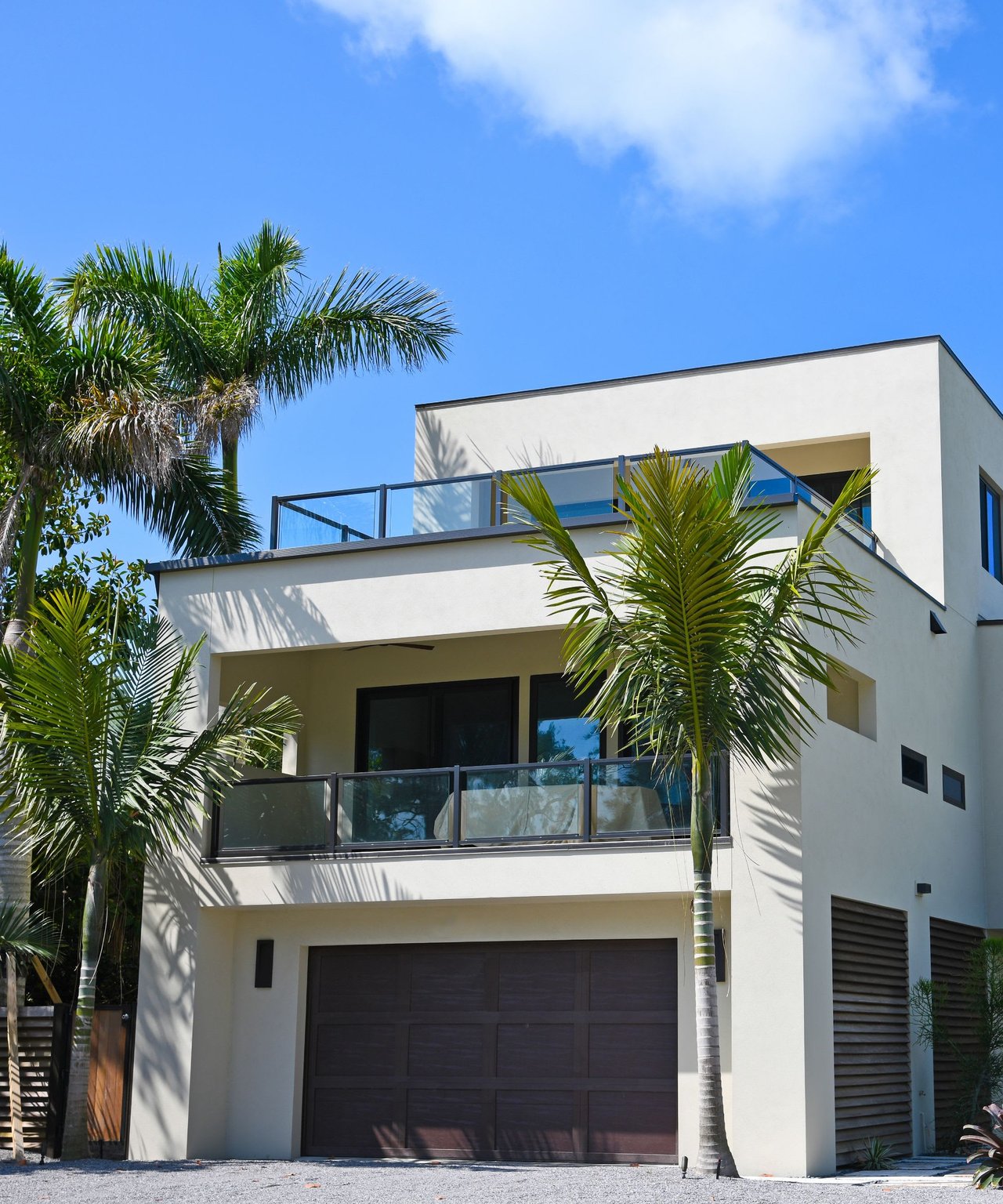
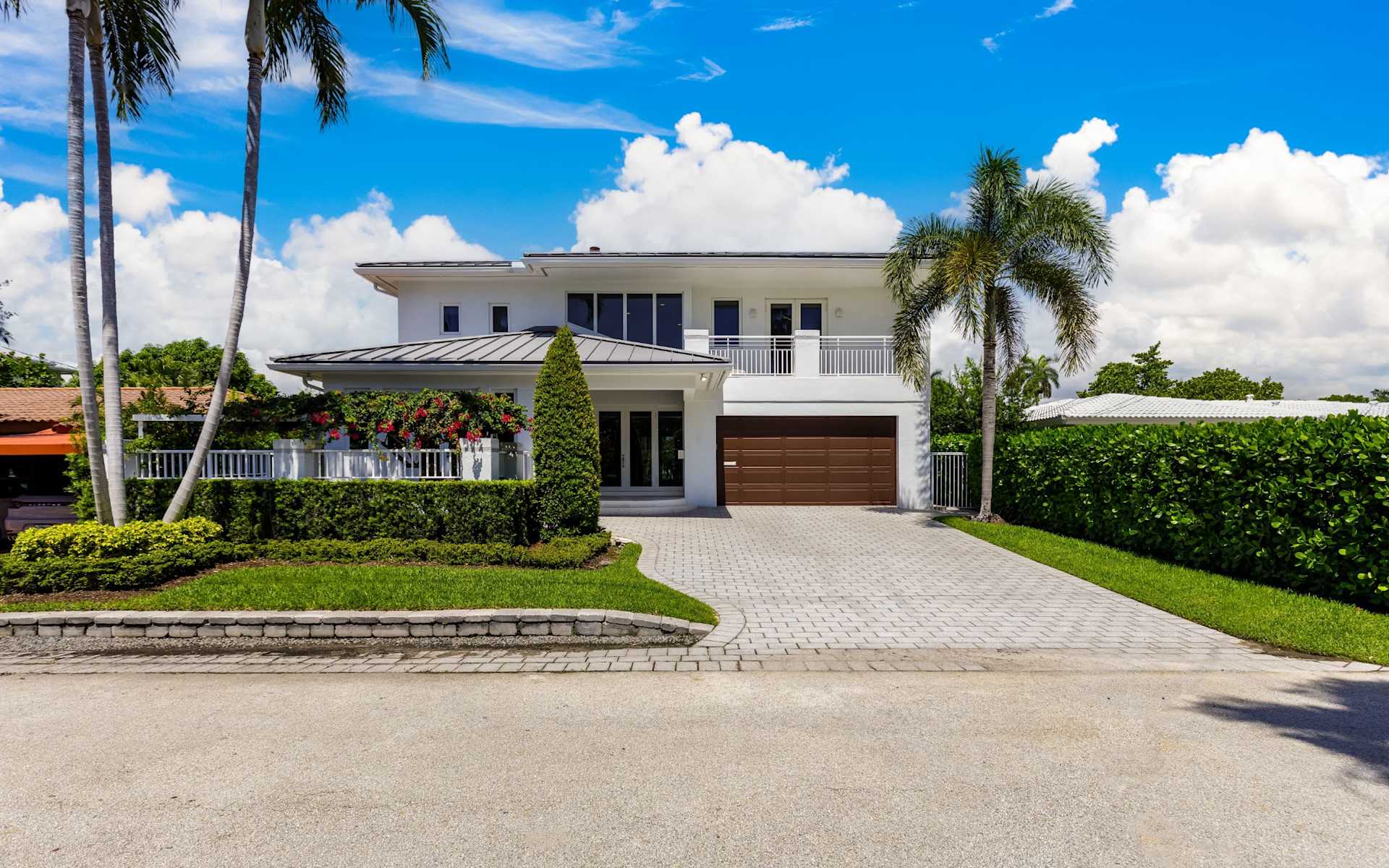
Trying to decide between a brand-new home and a resale in the Dade City area? You are not alone. The right choice comes down to your timeline, budget, comfort with construction steps, and how recurring costs like CDD assessments and HOA dues affect affordability. In this guide, you will learn how new construction and resale compare in Pasco County across timelines, warranties, lot premiums, CDDs, and negotiation options so you can move forward with clarity. Let’s dive in.
Timelines and move-in speed
New construction follows a clear sequence. You select a lot, sign the contract, then move through permitting, site work, slab, framing, systems, finishes, and final inspections before closing. Production builders often take 4 to 9 months, while custom builds can run 9 to 18 months or more. If you need to move faster, look for spec homes or completed models that can close in roughly 30 to 90 days.
Local factors in Pasco County can affect timing. Permit review, required site work, and whether the home is on septic or central sewer can lengthen build time. Busy building seasons and high demand can also push completion dates. If you have a fixed move-in deadline or need to sell a current home first, ask about inventory homes and consider bridge or sale contingencies.
Resale closings are typically quicker. Once your offer is accepted, plan for about 30 to 45 days to close, depending on the lender, inspections, title work, and appraisal. Major repairs or title issues can slow things down, so build in a buffer if you have a hard move date.
Warranties and inspections
New construction warranties
Many builders offer a common structure: one year for general workmanship, two years for major systems like electrical, plumbing, and HVAC, and ten years for structural coverage. Always request the full warranty document, including what is covered, how claims are handled, and whether the warranty is transferable. Florida’s climate adds extra stress on roofs, exterior finishes, and HVAC, so confirm hurricane-related protections and roofing details.
You should still plan independent inspections on new builds. Scheduling a pre-drywall inspection and a final inspection helps catch issues early and documents punch-list items.
Resale protections
Resale homes do not come with an automatic builder warranty unless a transferable portion remains. Some sellers purchase a one-year home warranty for peace of mind. You should complete a thorough inspection and use the findings to request repairs or a credit if needed.
Lot premiums and site costs
In many new communities, lot premiums apply to homesites with special features like water views, preserved areas, cul-de-sacs, larger sizes, or proximity to amenities. Premiums are often added to the base price and can be financed with your mortgage. Consider how that premium will affect future resale value in the local market.
In and around Dade City, site details matter. Check whether the property is in a flood zone and whether elevation requirements could impact cost and insurance. Know if the homesite uses septic and well or has central utilities, since that affects initial costs and maintenance. Ask the builder for a written breakdown of base price, lot premium, and options, then compare those numbers to similar resale homes.
CDD assessments explained
A Community Development District, or CDD, is a special district created under Florida law to finance and maintain infrastructure for large developments. Bonds fund items like roads, water management, and amenities, then assessments are paid by owners within the district. CDD assessments typically appear as non-ad valorem line items on your annual property tax bill.
CDD costs affect your monthly budget and mortgage approval. Lenders include recurring assessments in debt-to-income calculations, even when they are billed annually. If you buy a resale home in a CDD community, you inherit the ongoing assessments. Some communities have lower fees if bonds are paid down, while newer areas may carry higher bond assessments for longer. Ask for recorded CDD documents, current assessment schedules, and the duration of any outstanding bonds, then review your preliminary closing statement to see how the assessments will be billed.
Negotiation levers that work
Resale negotiation tools
- Price and contingencies, including inspection and appraisal.
- Repairs or credits after inspection, with clarity on what will be fixed and by whom.
- Closing date flexibility to meet everyone’s timeline.
- Seller concessions toward closing costs, subject to loan program rules.
- Inclusion of items like appliances or a seller-paid home warranty.
New construction incentives
- Builder incentives such as design center allowances, closing cost credits, rate buydowns, or discounts on spec and model homes.
- Potential flexibility on lot premiums in slower sales periods or for quick-close inventory.
- Value in timing, since builders often prioritize homes that can close soon for cash flow.
- Preferred-lender packages. Compare any incentive that requires a specific lender to outside quotes so you understand the true cost.
Production builders may not move much on the base price, but they can often sweeten the deal with upgrades or financing incentives. In a competitive market, expect less flexibility. In a slower market, you can ask for more.
Financing and closing tips
CDD and HOA costs count in affordability. Lenders include annual CDD assessments and HOA dues in monthly housing payments for qualifying. Share all fee details with your lender at the start so there are no surprises.
Builder incentives are not always free. A closing cost credit might come with a higher rate or a requirement to use the builder’s preferred lender or title company. Request written cost estimates for each loan option so you can compare net savings.
Inspections matter for all homes. Independent inspections on new construction help verify quality at key milestones. Resale inspections protect you from hidden issues and support repair negotiations.
Insurance can vary by age and features. New construction often meets current building codes and can qualify for mitigation credits that may reduce premiums. Location still drives risk, so waterfront or low-lying areas can require flood insurance.
Understand property taxes and exemptions. New homes are assessed after completion. If you will live in the home as your primary residence, review Florida’s homestead exemption rules and the Save Our Homes assessment cap, then confirm deadlines and procedures with the Pasco County Property Appraiser.
Quick decision checklist
Use this checklist while you compare specific homes and communities.
Decision basics
- Desired move-in date, flexible or fixed.
- Comfort with construction timelines and potential delays.
- Need to sell an existing home first, and whether you will use bridge financing or contingencies.
Costs to confirm
- Base price, lot premium, and options breakdown for new construction.
- Upgrade allowances for new builds or a renovation budget for resale.
- HOA dues, frequency, and what they include.
- CDD assessments, annual amount, bond duration, and an itemized schedule.
- Property tax estimate and any exemptions you plan to claim.
- Homeowner and flood insurance estimates, if applicable.
- Utility connection details, impact fees, and septic or well costs.
Warranties and inspections
- Full builder warranty documents, coverage periods, and transferability.
- Independent inspections for resale, and milestone inspections for new builds.
- Whether the builder uses third-party inspections and the process for handling defects.
Negotiation and timing levers
- Resale: inspection and appraisal contingencies, seller credits versus repairs, flexible closing date.
- New build: design allowance versus itemized upgrades, closing cost credits, rate buydown, lot premium flexibility, preferred lender terms.
- Lender guidance on how CDD and HOA fees will be used in qualifying.
Community and site checks
- Flood zone verification and elevation requirements.
- Sewer and water source, and any related maintenance or restrictions.
- Commute times, nearby amenities, and planned development that may change traffic or noise.
- Recorded covenants and deed restrictions that affect property use.
Closing and post-closing
- Required permits, final inspections, and certificate of occupancy for new builds.
- Final walkthrough and punch-list process and timelines for repairs.
- Warranty claim process and expected response times after closing.
- Seller disclosures and maintenance records for resale.
Ready to compare homes?
Choosing between new construction and resale in Pasco County comes down to timing, budget, and how you value warranties, customization, and community costs. With a clear plan, you can avoid surprises and focus on the homes that truly fit your life. If you want help weighing specific communities, CDD assessments, and current inventory in and around Dade City, reach out to the local team that knows the market. Connect with The Waugh Group to schedule a free consultation and move forward with confidence.
FAQs
How long does new construction take in Dade City?
- Many production builds run 4 to 9 months, custom homes can take 9 to 18 months or more, and completed spec homes can close in roughly 30 to 90 days depending on permits and site work.
How do CDD fees impact mortgage approval in Pasco County?
- Lenders include annual CDD assessments in your monthly housing expense for qualifying, which can reduce borrowing power, so share full assessment details early in the process.
Do I need an inspection on a new build in Florida?
- Yes, schedule independent inspections at key milestones such as pre-drywall and final to document issues and support warranty claims if needed.
Are builder incentives really free money?
- Incentives often come with tradeoffs, like using a preferred lender or accepting a different interest rate, so compare written estimates to see your true net cost.
What is the difference between an HOA fee and a CDD assessment?
- HOA dues fund ongoing maintenance and amenities, while CDD assessments repay infrastructure bonds and may fund capital projects, and both can appear on your property tax bill.
How do Florida homestead and Save Our Homes affect taxes on a new home?
- If you occupy the home as your primary residence and apply on time, the homestead exemption and Save Our Homes cap can help limit assessed value increases in future years.