Dreaming of sunrise paddles from your backyard or craving a quiet yard with fewer maintenance surprises? If you are weighing waterfront against inland living in Pinellas County, you are not alone. Both options can be great fits, but they deliver very different day-to-day rhythms, costs, and long-term considerations. In this guide, you will learn the key lifestyle tradeoffs, insurance and permitting basics, what to look for on tours, and how Pinellas Park fits into the picture. Let’s dive in.
Waterfront living: what you get
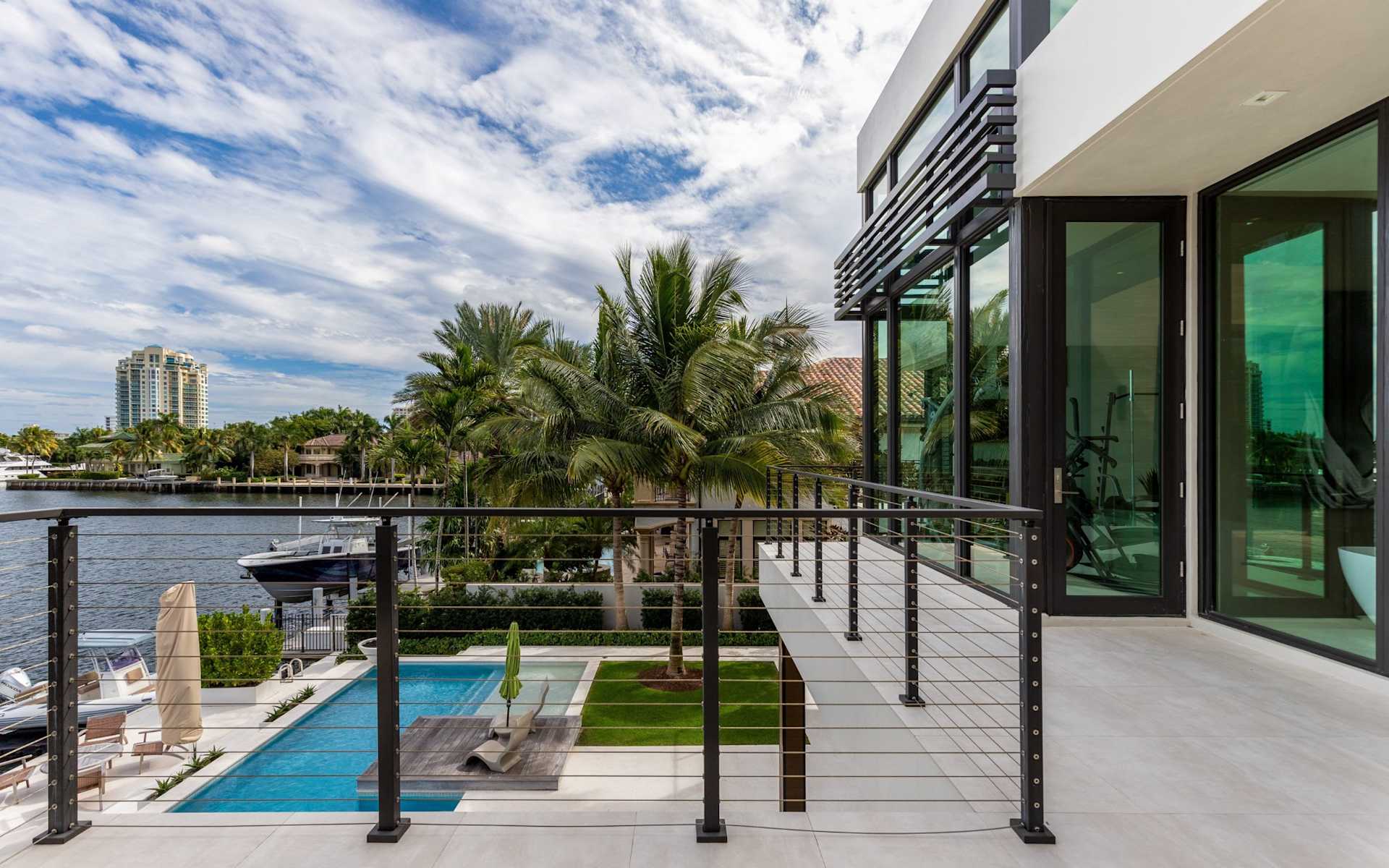
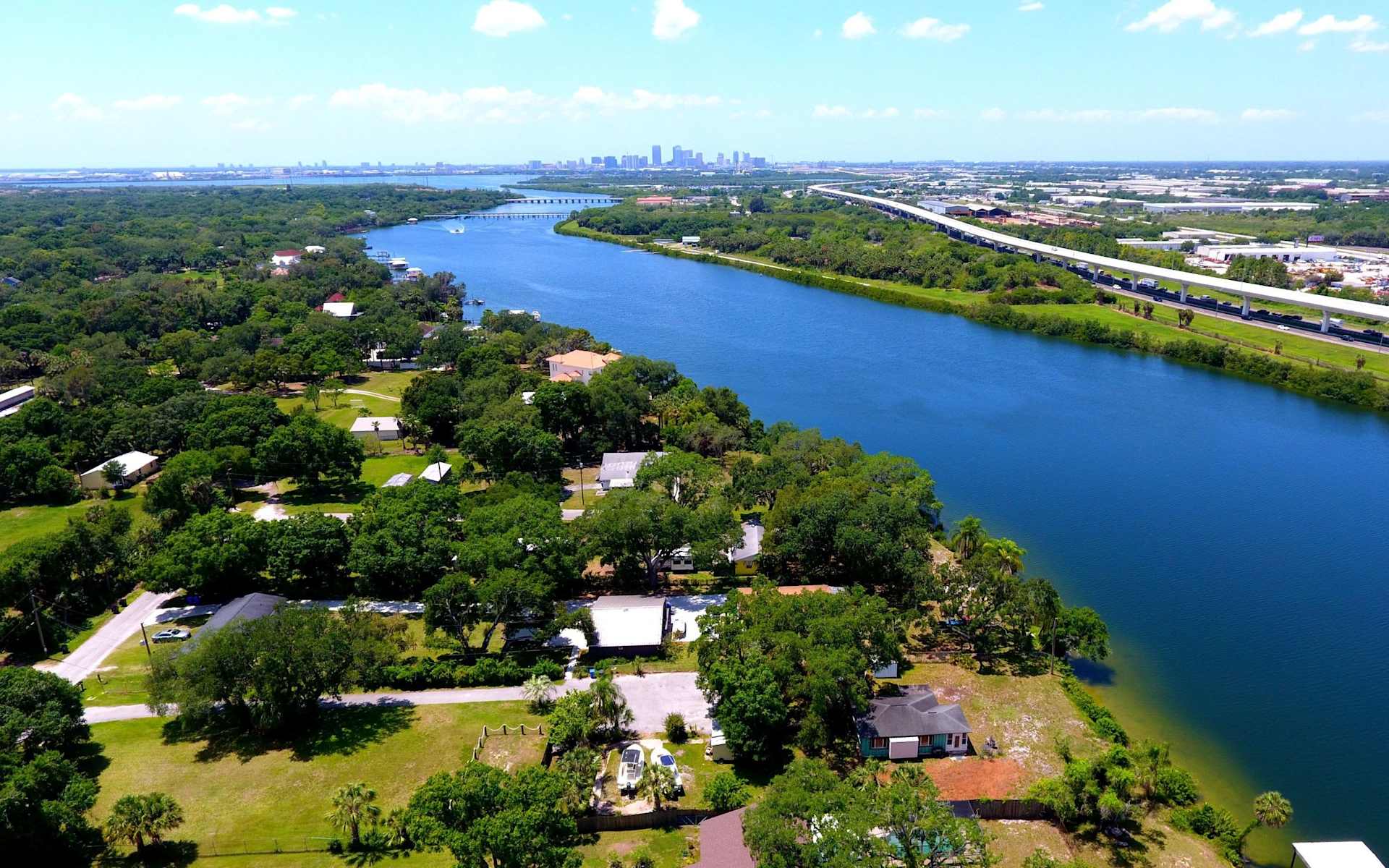
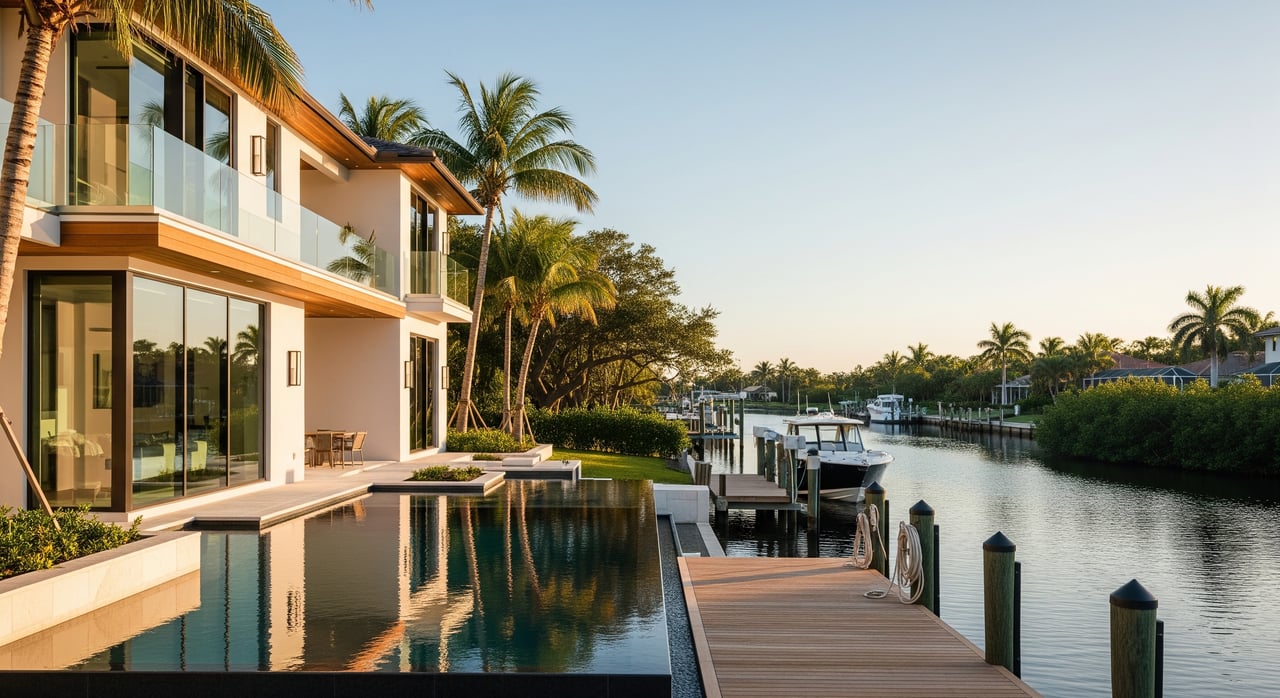
Waterfront homes in Pinellas County range from Gulf-front and intracoastal bay addresses to canal-front and freshwater lakes or ponds. You gain direct access for boating, fishing, paddle sports, and scenic views. Many properties can support private docks or lifts when allowed by setbacks and permits.
You also enjoy an outdoor-focused lifestyle with breezes and wildlife viewing. The experience can feel like a year-round staycation, especially on the intracoastal and Gulf.
Waterfront lifestyle tradeoffs
- Higher exposure to storms, storm surge, tidal flooding, and nuisance high-tide flooding.
- More routine upkeep for seawalls, docks, and metal components that face saltwater corrosion.
- Possible noise from boat traffic in busy waterways and less yard privacy near open water.
- Increased mosquito exposure and salt spray depending on location.
Inland living: the everyday advantages
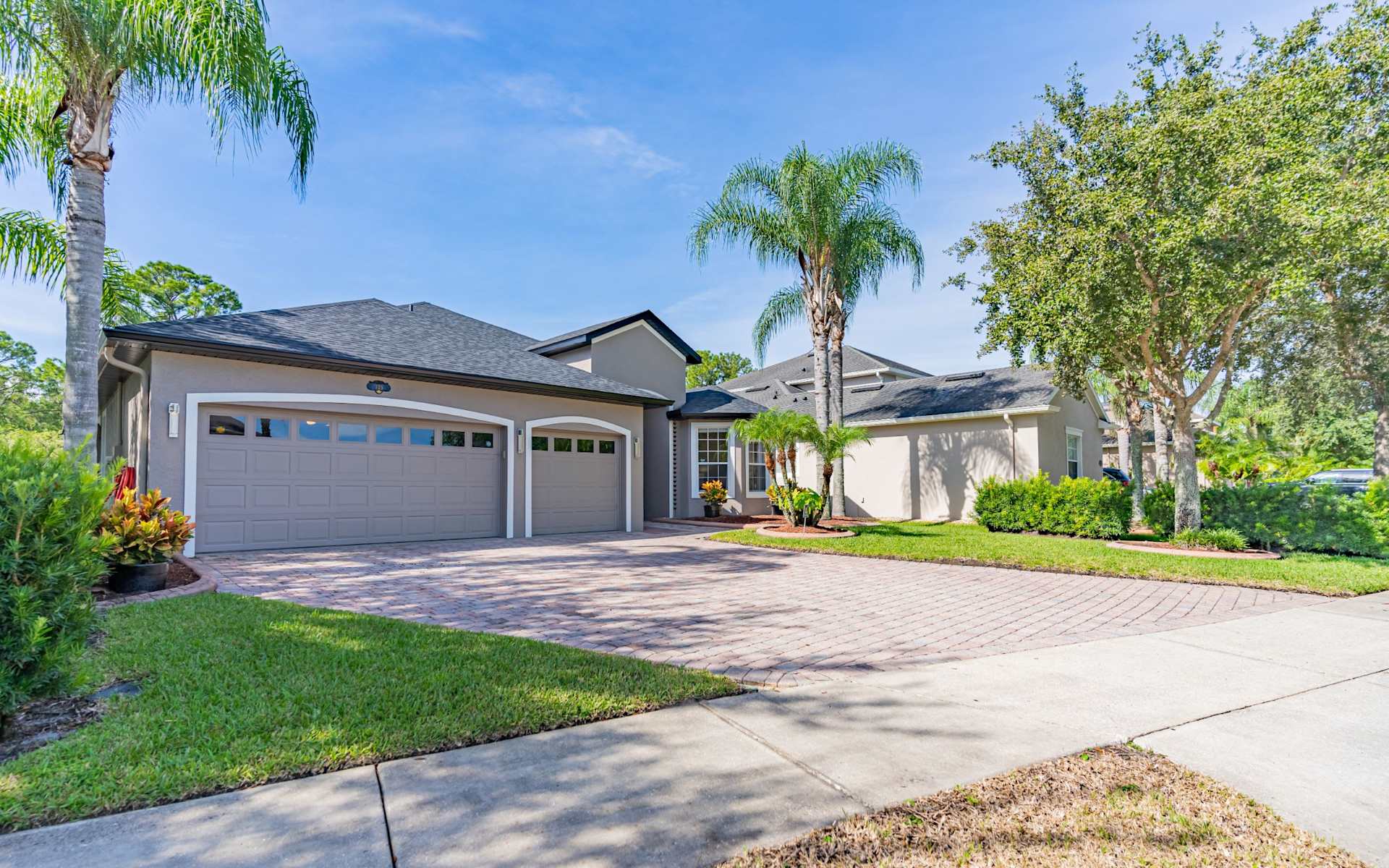
Inland neighborhoods, including much of Pinellas Park, typically sit at higher elevation than the barrier beach communities. You often see lower flood exposure and fewer salt-related maintenance costs. Yards may be larger and quieter, with more shade and room to play.
Because inland homes appeal to a broader buyer pool, resale can be simpler for first-time and move-up buyers. The tradeoff is that you will drive to reach beaches and boat ramps, unless you choose a lakefront lot.
Pinellas Park spotlight
Pinellas Park is mostly inland relative to the coastal barrier and beach towns. If you want a waterfront feel without direct Gulf exposure, Pinellas Park options tend to be on freshwater lakes, retention ponds, or small canals rather than Gulf-front. That can reduce flood and salt-related maintenance while still offering water views and limited recreation.
Flood risk varies by parcel, even inland. It is smart to review FEMA flood maps for any home you consider and factor elevation into your choice. A higher-elevation inland property can help keep ongoing costs in check.
Cost drivers to compare
Waterfront properties generally carry a price premium because of water access and views. The premium often scales by water type, with Gulf-front and intracoastal highest, then canal, then lake. Beyond purchase price, plan for the following:
Waterfront cost drivers
- Seawall or bulkhead condition and potential replacement. This is a major capital item that affects value and lending.
- Dock, lift, and marine hardware inspections and upkeep. Salt exposure accelerates wear.
- Insurance for wind and flood, which can be higher on the water.
- Exterior systems built for coastal conditions, including corrosion-resistant metals and more frequent servicing for HVAC.
- Permits and coastal regulations for any marine construction or repair.
Inland cost drivers
- Routine roof, HVAC, and pest maintenance at typical intervals.
- Landscaping and tree care, including trimming and drainage tuning in low spots.
- HOA assessments where applicable for amenities like pools or clubhouses.
- Flood risk can still exist in low-lying areas. Always check the specific lot.
Insurance and flood basics
FEMA Flood Insurance Rate Maps identify Special Flood Hazard Areas where lenders usually require flood insurance if there is a mortgage. Many waterfront parcels fall into higher-risk flood zones, while some inland parcels do not. Ask for an Elevation Certificate if available and review any flood claims history provided by the seller.
Flood coverage can come from the National Flood Insurance Program or private flood insurers. Pricing depends on your elevation, flood zone, and property features. For homeowners insurance, Florida’s market varies by carrier and location. Properties with wind mitigation features such as impact-rated windows, roof-to-wall ties, and hurricane straps often qualify for premium credits.
The bottom line: obtain flood and homeowners insurance quotes early in your search. Insurability and premiums can shape your budget and the homes you prioritize.
Permits and coastal rules to know
Marine work, including docks and seawalls, typically requires permits. You may need approval from county or city environmental management, the state for work on submerged lands or coastal areas, and sometimes the U.S. Army Corps of Engineers for navigable waters. Setbacks, vegetative buffers, and construction methods matter, and replacements usually must meet current code. The Florida Building Code also sets wind-load standards that affect repairs and new builds.
If you plan to add or modify waterfront structures after purchase, verify feasibility with the proper agencies before you commit.
Resale and long-term value
Waterfront homes generally hold a premium, driven by access, view, and condition of marine structures. The buyer pool can be narrower though, since not everyone is comfortable with higher insurance and maintenance. Condition matters, especially for seawalls and docks. Buyers often discount for known seawall projects or request repairs.
Coastal properties can experience more price volatility tied to storms, insurance markets, and perceived climate risk. That does not mean you should avoid the water. It does mean you should document elevation, condition, and insurability to protect value over time.
Your smart tour and due diligence checklist
Use this checklist to compare properties with confidence and reduce surprises after closing.
Documents to request early
- Current survey with waterlines and boundaries.
- Elevation Certificate, if available.
- Seawall inspection report and any repair records.
- Dock and lift permits plus inspection or service logs.
- Flood insurance declarations and any flood claims history.
- HOA documents and any special assessments.
- Recent building permits and contractor invoices for roof, HVAC, or structural work.
- Seller disclosures related to flooding, drainage, or sinkhole history.
On-tour items to verify
- Type of water access: Gulf-front, intracoastal, canal, or freshwater. Note fixed bridges or draft limits if boating is a priority.
- Seawall, dock, and upland structure condition. Look for cracking, bowing, corrosion, or rot.
- Signs of past flooding such as staining at low points or raised floors.
- Elevation relative to typical high tides if applicable.
- Boat storage and parking logistics on site.
- Neighborhood plans for seawall districts, erosion projects, or drainage work.
Inspections and quotes to order
- General home inspection plus a targeted marine or seawall inspection.
- Wind mitigation inspection that can influence insurance pricing.
- Elevation certificate verification and a floodplain specialist review when needed.
- Structural engineer evaluation if there are foundation, piling, or erosion concerns.
- Pest and termite inspection.
- Insurance quotes for both flood and homeowners coverage early in your contingency period.
Which lifestyle fits you best?
- Choose waterfront if daily water access, views, and boating outweigh higher and less predictable maintenance and insurance. Focus on properties with documented seawall and dock condition.
- Choose inland if you want lower ongoing costs, a broad resale market, and simpler maintenance. In Pinellas Park, look for higher-elevation streets and yards that fit your space and privacy goals.
- Consider lakefront in Pinellas Park if you want water views with typically fewer salt-related costs. Still verify flood exposure and drainage.
How we can help
You do not have to navigate these tradeoffs alone. With decades of Tampa Bay experience across inland neighborhoods and coastal addresses, we help you align lifestyle, budget, and long-term value. We coordinate showings, arrange the right inspections, connect you with trusted vendors, and help you compare insurance and maintenance realities before you write an offer.
If you are ready to talk through your options in Pinellas Park or anywhere in Pinellas County, reach out to The Waugh Group. We will walk you through a smart plan, from first tour to confident closing.
FAQs
What is the core difference between waterfront and inland living in Pinellas County?
- Waterfront offers direct access, views, and recreation, while inland often brings lower flood exposure, simpler maintenance, and broader resale appeal.
How should I evaluate flood risk for a Pinellas Park or coastal home?
- Review FEMA flood maps, request an Elevation Certificate if available, and get early flood and homeowners insurance quotes to understand exposure and costs.
What inspections are essential for a waterfront property in this area?
- Order a general home inspection plus a seawall or marine inspection, wind mitigation report, and, when needed, a structural engineer review for pilings or erosion.
Do lakefront homes in Pinellas Park usually need flood insurance?
- Requirements depend on the specific flood zone and lender; verify the property’s zone and elevation, then obtain quotes to confirm coverage needs.
How do seawall and dock conditions affect resale value in coastal Pinellas County?
- Condition is decisive; buyers often discount for aging seawalls or docks or request repairs, and lenders may scrutinize these structures during underwriting.
What permits are typically needed to repair or add a dock or seawall?
- Expect local environmental and building permits, possible state approvals for submerged lands, and sometimes U.S. Army Corps permitting for navigable waters.