Wondering what daily life really feels like in Pinellas County’s beach communities? The short answer is that it depends on which stretch of coast you choose. Some areas are lively and walkable with restaurants, events, and constant activity, while others feel quieter, more residential, and centered on simple beach living. If you are thinking about buying, relocating, or just narrowing down the right coastal fit, this guide will help you understand the lifestyle differences that matter most. Let’s dive in.
Pinellas beach life is not one-size-fits-all
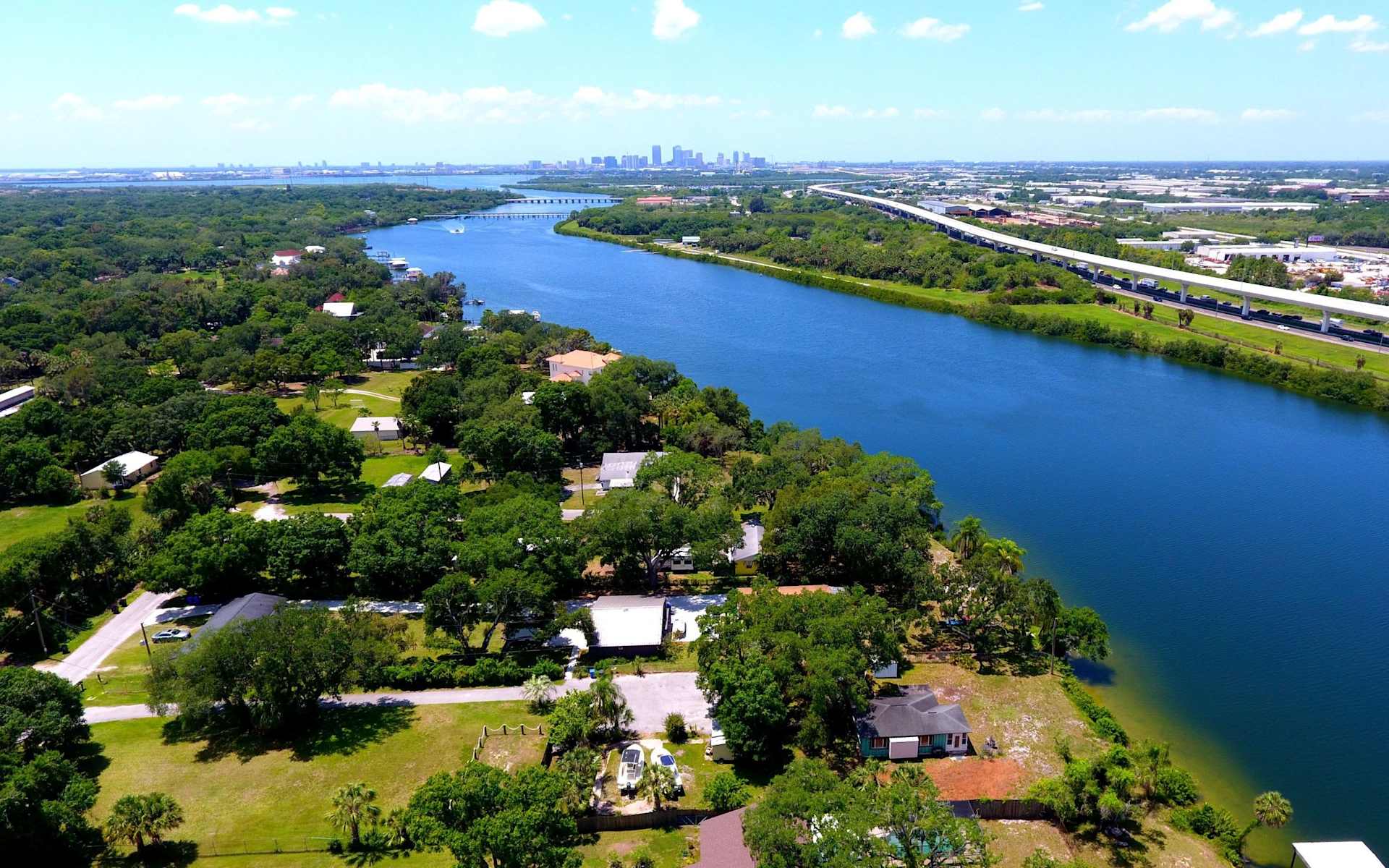
Pinellas County’s Gulf-side beach communities are spread across barrier islands and beach corridors, not one long continuous beachfront city. According to Pinellas County planning and coastal management sources, there are 12 beach municipalities on the barrier islands, along with regional beach parks and many public beach access sites countywide.
That setup shapes daily life in a big way. One community may offer a busy walkable core with shops and dining, while another may feel quieter with fewer crowds and a more residential pace. Even beach access can vary, since some sites are simple pedestrian walkways and others include parking, restrooms, showers, and concessions.
Tourism also plays a major role in the backdrop of coastal living here. Visit St. Pete-Clearwater reported more than 15.4 million visitors and 6.4 million hotel room nights in fiscal year 2024, so residents share these areas with a steady flow of visitors, especially in popular beach zones.
Clearwater Beach offers energy and walkability
If you picture an active beach town with lots going on, Clearwater Beach is often the closest match. The City of Clearwater describes it as very walkable, with restaurants and shops nearby, Beach Walk, Pier 60 sunsets, year-round lifeguards, and daily beach cleaning.
This is the kind of place where grabbing dinner, strolling the beachfront, and watching the sunset can all happen without much driving. The marina and boating scene also add to the activity, with fishing charters, sailing, sightseeing boats, dinner cruises, dolphin tours, parasailing, and personal watercraft rentals all part of the local mix.
That convenience comes with tradeoffs. The city notes that parking is enforced every day and visitors are encouraged to arrive early, and county planning materials say central Clearwater Beach is slightly deficient in parking by the standard used for beach access planning.
Sand Key feels calmer nearby
Just south of Clearwater Beach, Sand Key offers a quieter tone while staying close to the action. Visit St. Pete-Clearwater presents it as a calmer alternative, with nature trails and bay-side boating access.
For many buyers, that balance is appealing. You can stay near one of the county’s most active beach areas while enjoying a more laid-back day-to-day setting.
Indian Rocks Beach and Indian Shores feel slower paced
If your ideal beach lifestyle leans more relaxed and residential, Indian Rocks Beach and Indian Shores often stand out. Visit St. Pete-Clearwater describes these communities as slower paced and laid-back compared with busier destinations.
Indian Rocks Beach also has a walkable feel, according to its visitor guide. The town notes low speed limits, 27 beach accesses, limited free parking at many of those access points, and paid parking at the county access park.
Indian Shores also carries a neighborhood-centered feel. The town promotes community calendars and beach-market events, and it identifies multiple beach-and-parking locations that support everyday access.
These towns often feel more residential
For many people, the appeal here is not just the beach itself. It is the pace. These communities are often better suited to buyers who want coastal access without the higher-activity atmosphere that comes with the county’s busiest tourism hubs.
That does not mean they are disconnected from practical coastal living. Indian Shores identifies itself as a special flood hazard area, and Indian Rocks Beach notes that its location between the Gulf and the Intracoastal makes it highly vulnerable to flooding, so planning for those realities is part of living here.
Madeira Beach, Treasure Island, and St. Pete Beach offer a middle ground
Some beach communities in Pinellas County land between quiet residential living and full-on tourism energy. Madeira Beach, Treasure Island, and St. Pete Beach each mix beach access, dining, boating, and residential areas in different ways.
Madeira Beach has a compact, active feel, especially around John’s Pass. The city says John’s Pass Village features more than 100 merchants and restaurants, along with the local fishing fleet, boat rentals, dolphin and shelling tours, parasailing, and jet skiing.
Treasure Island is often framed as more casual and open, with a wide beach experience. Visit St. Pete-Clearwater highlights its one-mile beach trail, cabana and paddleboard rentals, and active beach dining scene, while the city also offers boat ramps and a marina.
St. Pete Beach can vary a lot depending on where you are on the island. The city lists beach parks with parking and restrooms, Pass-a-Grille Beach, and resident parking permits, which shows how much the day-to-day experience can change by neighborhood and beach access point.
Redington communities tend to be quieter
If you are looking for one of the quieter ends of the Pinellas beach spectrum, the Redington communities are worth a closer look. Redington Beach is officially described as primarily a waterfront residential community with single-family dwellings and several low-rise condominium buildings.
North Redington Beach says it is largely a town of single-family waterfront homes, with condos, apartments, hotels, and restaurants along Gulf Boulevard. Visit St. Pete-Clearwater also describes Redington Shores as a small resort community where big crowds are not usually a major factor.
For buyers who want a more neighborly feel and less of a tourism-forward setting, these communities can be especially appealing. They still offer coastal access, but the overall rhythm tends to feel more residential than high-energy.
Boating is part of the lifestyle
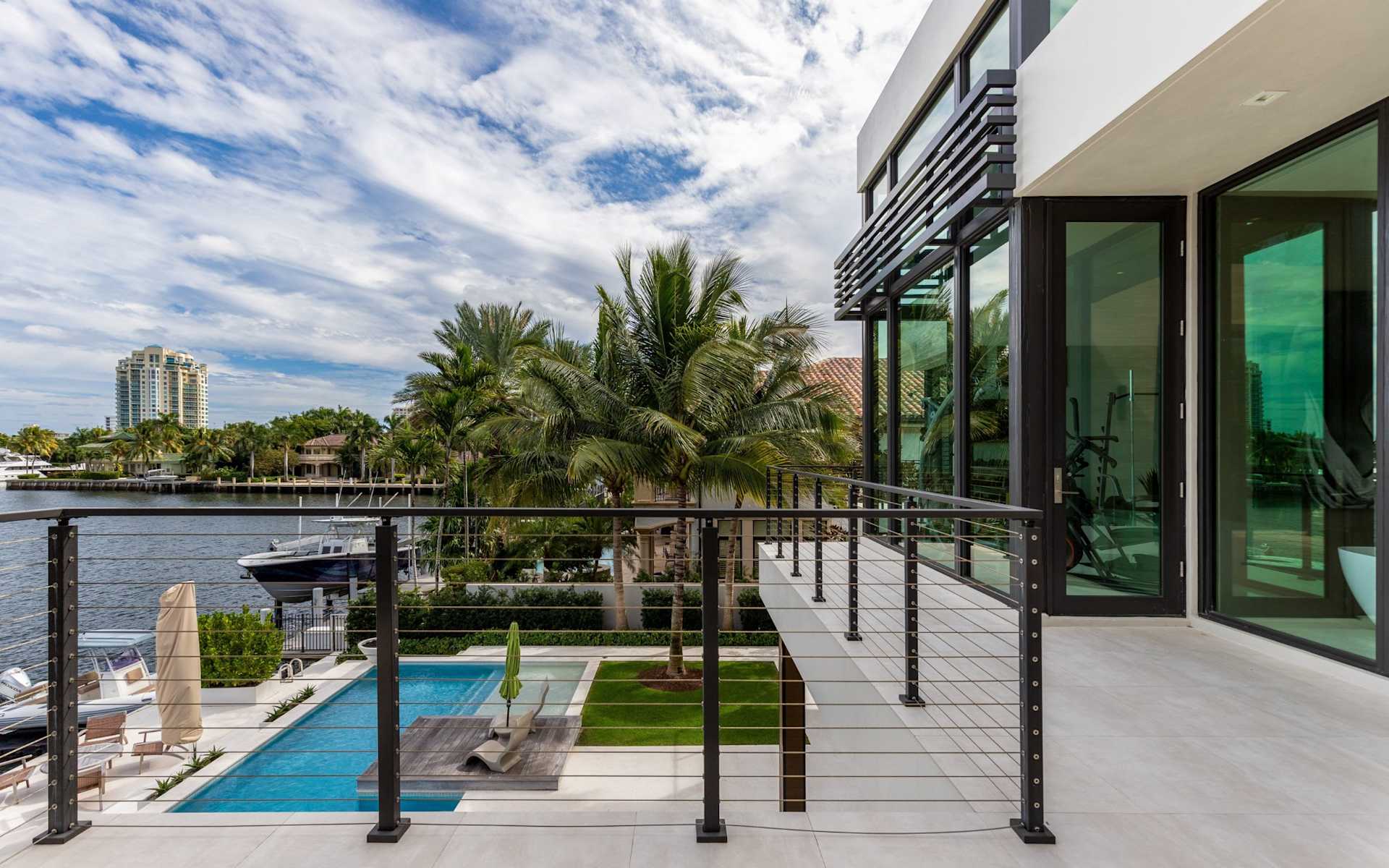
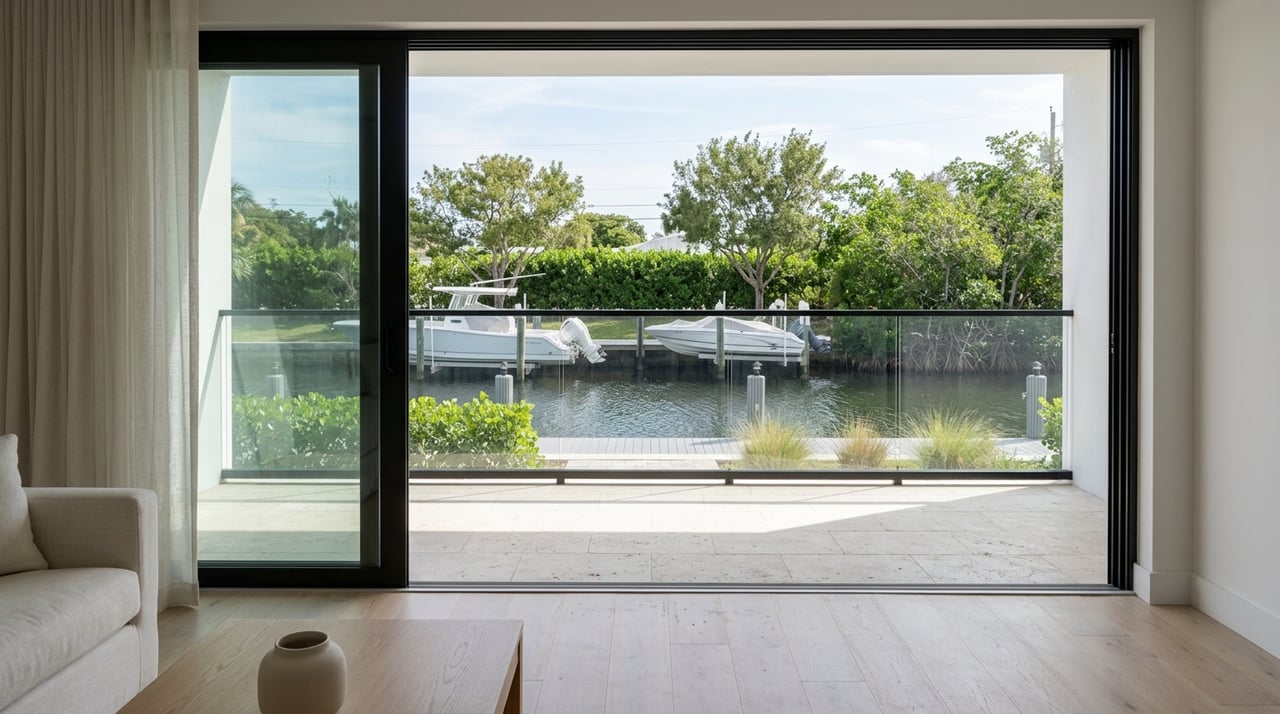
Living near the beach in Pinellas County is not only about the sand. Boating is woven into everyday life in many coastal communities, whether you are in a busier destination or a quieter residential area.
Pinellas County’s boat ramp system includes saltwater ramps such as Belleair Causeway, Park Boulevard in Indian Shores, and War Veterans Memorial Park. The county also offers daily and annual parking options, which helps support regular use for residents and visitors.
This matters if your ideal coastal lifestyle includes fishing, day boating, or simply having better access to the water beyond the beach itself. In Pinellas County, boating access is a real quality-of-life factor, not just a visitor amenity.
Housing on the barrier islands looks different
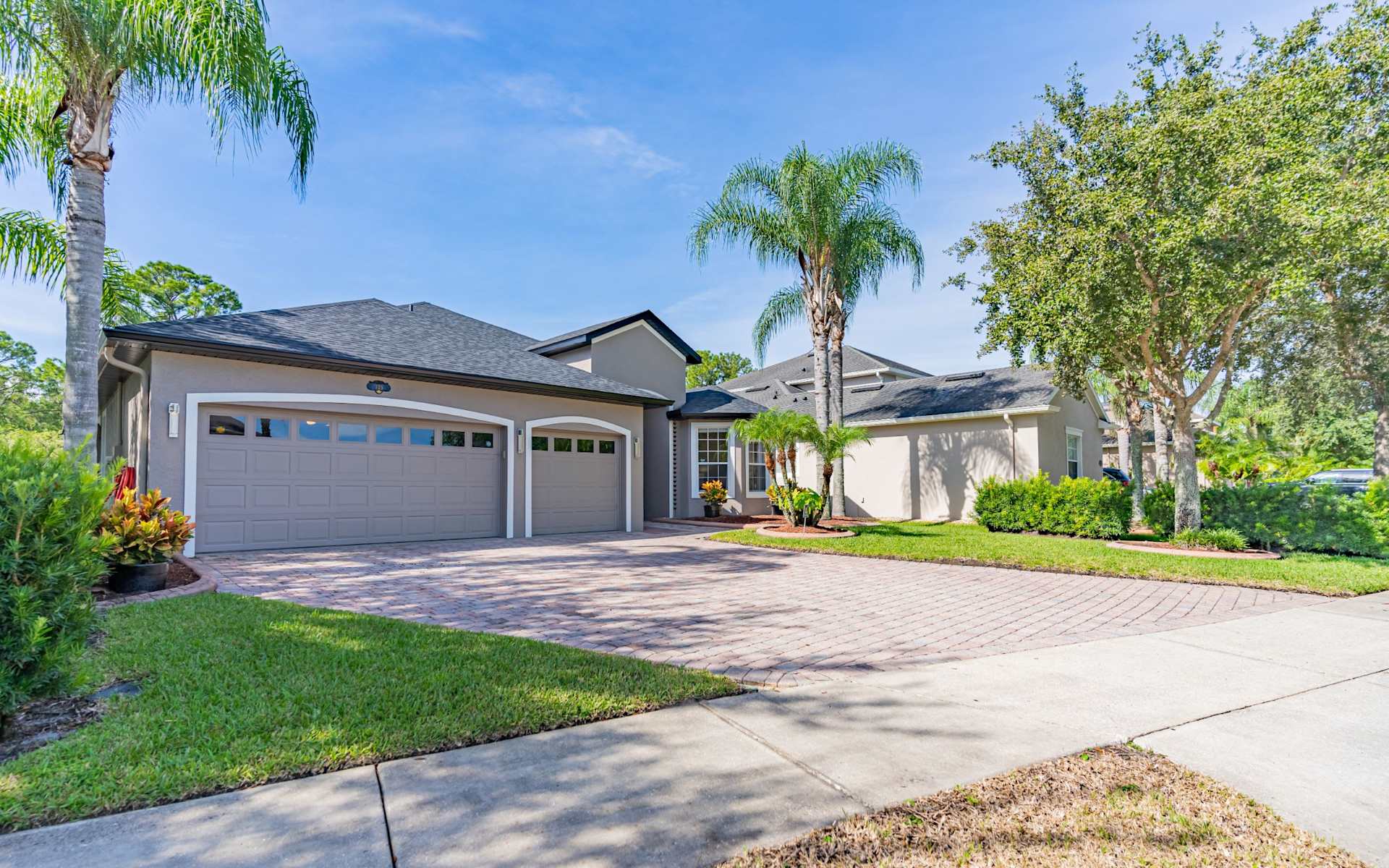
Housing in Pinellas County’s beach communities is shaped by limited land, long-established development, and floodplain constraints. That means the housing mix often looks different from what you would expect in inland suburban neighborhoods.
Municipal sources across the beach communities show a blend of single-family homes, condominiums, apartments, and other multifamily housing. Belleair Beach reports a housing mix of about 70 percent single-family and 30 percent multifamily, while Redington Beach describes itself as mostly single-family homes with low-rise condos.
Indian Shores notes redevelopment that includes 2- to 5-level residential units over parking. Indian Rocks Beach also reflects a long-term shift from older cottages toward condominiums while retaining much of its original character.
What buyers should expect
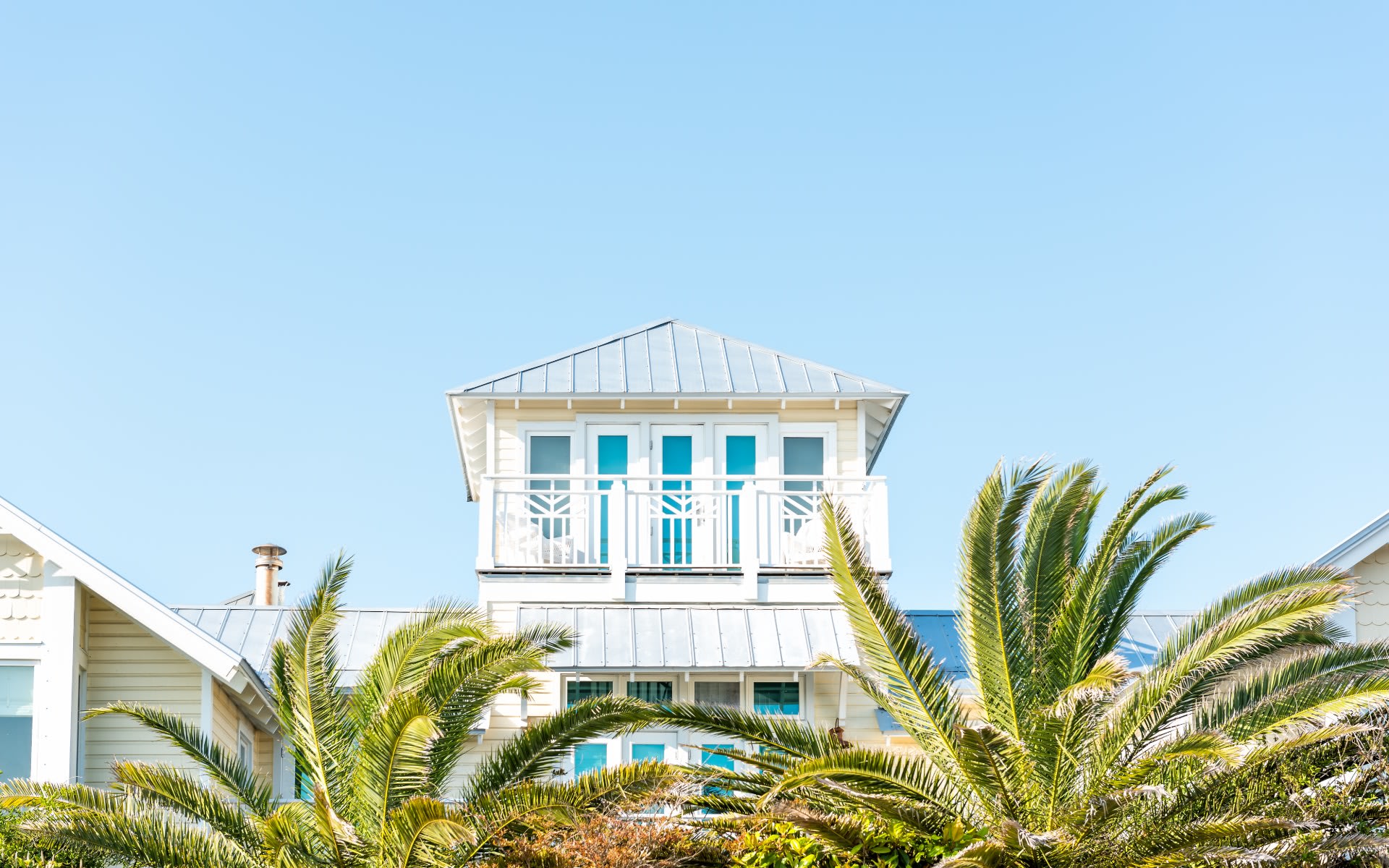
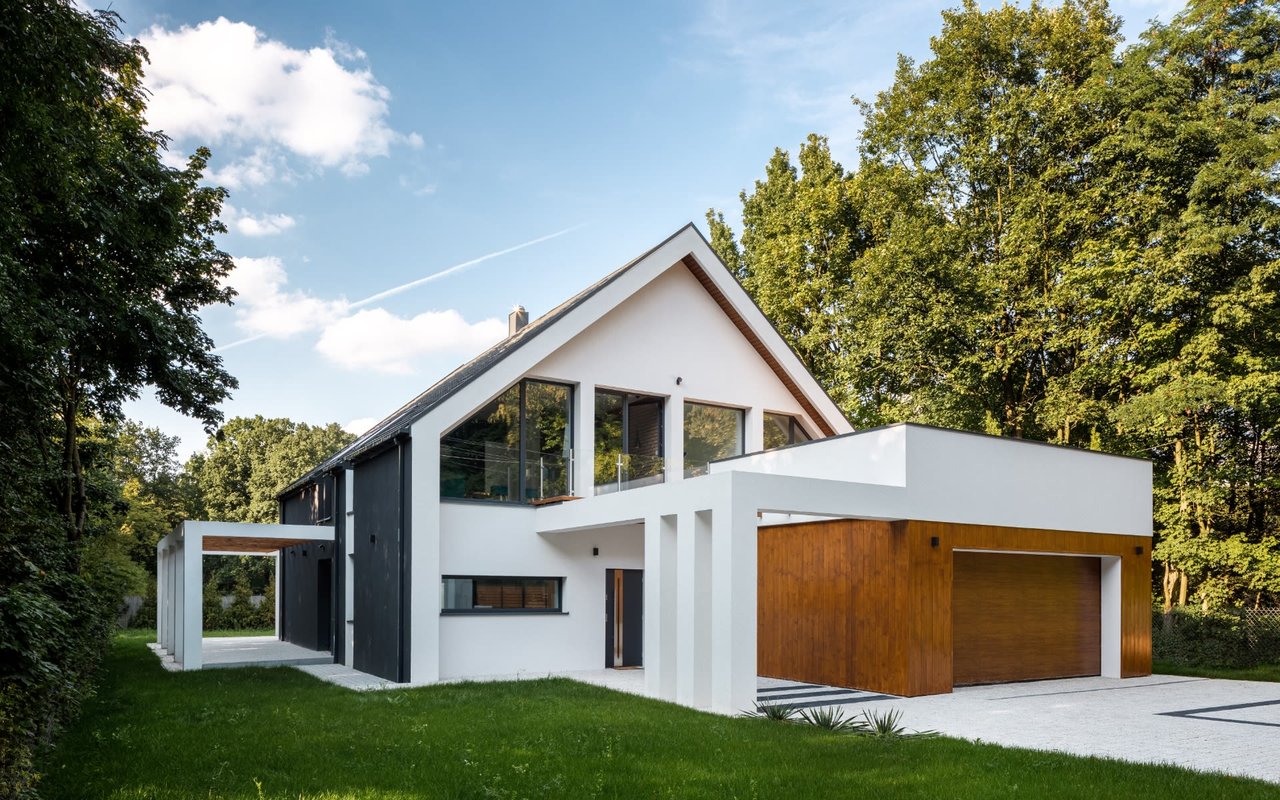
In practical terms, the coastal housing menu often includes older cottages, elevated single-family homes, low-rise condo buildings, and resort-style multifamily structures. Large-lot suburban subdivisions are generally not the norm on the barrier islands.
That is one reason local guidance matters so much. Two beach communities may be close together on a map, but the housing options, parking setup, boating access, and daily pace can feel very different once you start touring homes.
Practical realities shape everyday living
Beach living in Pinellas County comes with lifestyle perks, but also with practical details you need to understand. Flooding, evacuation planning, parking, and local beach rules are part of everyday ownership and use.
Pinellas County says flood zones and evacuation zones are not the same, and it also states that everyone lives in a flood zone. The county flood map center includes hurricane evacuation zones, storm surge, sea-level-rise, and coastal barrier system maps, which makes location-specific planning especially important for buyers and owners.
Parking rules also vary by community. Clearwater Beach bans alcohol and pets on the public bathing beach and limits certain watercraft in the swim zone, St. Pete Beach uses digital parking permits and metered parking, and Indian Rocks Beach allows free parking only at designated beach accesses during certain hours.
These are not small details. They shape how easy it feels to host guests, spend a casual afternoon on the sand, or move through your own neighborhood during busier times of year.
Seasonality is part of coastal life
Another thing to know is that the experience can change with the calendar. Visit St. Pete-Clearwater positions Clearwater Beach as a spring break and summer vacation destination, and countywide tourism numbers reinforce how active the visitor economy is.
Holiday and seasonal events can also bring heavier traffic and more activity. The research points to events like Sanding Ovations on Treasure Island and holiday boat parades across the county as reminders that winter and late-fall can still be busy in visitor-oriented areas.
For some homeowners, that energy is part of the appeal. For others, it is a reason to focus on quieter communities where daily routines may feel more consistent throughout the year.
How to choose the right beach community
The best Pinellas County beach community for you depends on what you want your everyday life to feel like. If you want walkability, dining, entertainment, and constant activity, Clearwater Beach and John’s Pass may feel like a strong fit.
If you prefer a quieter, more residential setting, Indian Rocks Beach, Indian Shores, Redington Beach, and Redington Shores may align better with your goals. If you want a blend of beachgoing, boating, dining, and neighborhood pockets, Treasure Island and St. Pete Beach often land in the middle.
That is why a neighborhood-first approach matters. When you look beyond the postcard view and focus on access, pace, housing type, parking, flood considerations, and seasonality, you can make a much more confident move.
If you are considering a move to Pinellas County’s beach communities, working with a team that understands Tampa Bay’s micro-markets can help you compare your options with more clarity. The coastal lifestyle is not one single experience here, and that is exactly what makes it interesting. When you are ready to talk through neighborhoods, home types, and your next move, connect with The Waugh Group.
FAQs
What is daily life like in Clearwater Beach?
- Clearwater Beach is one of the county’s most walkable and activity-heavy beach areas, with nearby restaurants, shops, marina activities, year-round lifeguards, and daily beach cleaning, but parking and visitor traffic are part of the experience.
What are quieter Pinellas County beach communities to consider?
- Indian Rocks Beach, Indian Shores, Redington Beach, and Redington Shores are generally described in local and tourism sources as slower-paced or more residential than Clearwater Beach and John’s Pass.
What types of homes are common in Pinellas County beach communities?
- Buyers will often find a mix of older cottages, elevated single-family homes, low-rise condos, apartments, and multifamily buildings rather than large-lot suburban-style neighborhoods.
What should buyers know about flooding in Pinellas County beach areas?
- Pinellas County says flood zones and evacuation zones are different, everyone lives in a flood zone, and local flood and evacuation mapping tools are an important part of evaluating coastal properties.
Is boating part of the lifestyle in Pinellas County beach towns?
- Yes. In addition to marinas in places like Clearwater Beach, Madeira Beach, Treasure Island, and St. Pete Beach, Pinellas County also maintains saltwater boat ramp access in several coastal areas.
How do parking and beach rules vary across Pinellas County communities?
- Rules differ by town, with examples including daily enforced parking in Clearwater Beach, digital permits and metered parking in St. Pete Beach, and designated free parking hours at certain Indian Rocks Beach access points.